Talk to an Expert
Talk to an Expert

Exterior painting in New Orleans requires optimal conditions of 45°F–90°F and 40%–50% humidity to combat intense UV exposure and frequent rain. To achieve a 5-to-7-year lifespan, homeowners must thoroughly prep surfaces and apply premium satin or semi-gloss paints in lighter, heat-reflecting colors. Scheduling projects during the fall ensures proper curing and maximum protection against moisture and mildew.
Exterior painting in New Orleans presents unique challenges that differ significantly from other regions. The combination of high humidity, intense UV exposure, frequent rain, and hurricane season creates an environment where paint must perform under extreme conditions.
Understanding these factors and applying proper techniques determines whether a paint job lasts for years or fails prematurely. A successful exterior painting project requires knowledge of climate-specific challenges, material selection, surface preparation, and long-term maintenance strategies.
Big Easy Paintings provides professional exterior painting services designed specifically for New Orleans’ unique weather conditions. Contact us today to schedule a consultation for your next home improvement project.
The optimal humidity level for exterior painting is between 40% and 50%, though up to 70% is acceptable. High humidity traps moisture under the paint, preventing proper adhesion and causing premature peeling or blistering.
Louisiana weather presents a constant battle against moisture. When applying paint in humid conditions, the water in water-based paints evaporates much slower. This delayed drying time leaves the surface vulnerable to dust, bugs, and sudden rain showers. Professional painters monitor weather patterns closely, often recommending the fall season for major projects. During autumn, lower temperatures and reduced humidity create the ideal environment for paint to cure correctly. Learn more about managing humidity in our detailed guide on how New Orleans humidity affects exterior paint.
Beyond air moisture, the surface itself must be completely dry before any primer or paint touches it. Even premium products will fail if applied over damp wood or stucco. Testing the substrate for moisture content is a standard practice that prevents costly mistakes down the road.
The ideal temperature for exterior painting is around 77°F, with an acceptable range between 45°F and 90°F. Temperatures outside this window can cause paint to dry too quickly or fail to cure properly.
Cool temperatures slow the curing process, while excessive heat causes premature drying that prevents proper adhesion to the surface.
Extreme heat causes paint to dry before it can properly bond to the surface. This rapid drying leads to brush marks, uneven coverage, and a weakened protective barrier.
On the other hand, painting when it is too cold prevents the paint from forming a solid film. The overnight low temperature must remain above 40°F to ensure the paint cures overnight.
Direct sunlight also plays a significant role in the application process. Painters typically follow the shade around the house, avoiding direct sun exposure on wet paint. This technique ensures an even finish and maximizes the lifespan of the coating. For comprehensive temperature guidance specific to Louisiana, explore our guide on the best temperature for exterior painting.
Proper surface preparation is the foundation of any successful exterior painting project. This process involves cleaning, repairing, and priming the surface to ensure maximum paint adhesion and durability.

Skipping preparation steps guarantees a shorter lifespan for the new paint. The process begins with a thorough cleaning.
Each step builds upon the last to create a stable foundation. Primer is particularly important for bare wood, new stucco, or areas with extensive repairs. It creates a uniform base that allows the topcoat to adhere securely and display its true color. Many homeowners wonder whether pressure washing is necessary before painting.
Our detailed guide on pressure washing before painting explains when this step is essential and how to do it properly.
Selecting the right materials involves understanding paint types, finishes, and whether to use paint or stain. Each choice affects durability, maintenance requirements, and appearance.
The paint finish affects both appearance and durability. Satin and semi-gloss finishes offer better protection against moisture and are easier to clean than flat finishes. These higher-sheen options resist mildew growth, making them ideal for humid environments. For a detailed comparison of finish options, read our guide on how to choose the right exterior paint finish.
| Finish Type | Humidity Resistance | Maintenance | Best For |
|---|---|---|---|
| Flat | Low | Frequent cleaning | Low-traffic areas |
| Satin | High | Easy cleaning | Most exteriors |
| Semi-Gloss | Very High | Very easy cleaning | High-moisture areas |
| Gloss | Very High | Very easy cleaning | Trim and accents |
Investing in high-quality exterior paint provides superior protection against UV rays, moisture, and temperature fluctuations. Premium paints contain better pigments and binders that ensure better coverage and longer-lasting results.
Bargain paints often require more coats to achieve full coverage, negating any initial cost savings. Quality products, such as Sherwin-Williams Emerald Exterior, offer advanced protection against peeling and fading. These paints are formulated specifically to handle harsh weather conditions while maintaining their color integrity.
The right paint also includes additives that resist mold and mildew growth. In a humid climate, this protection is invaluable for maintaining curb appeal and reducing maintenance requirements. For Louisiana homeowners, our guide on the best mold and mildew-resistant paints provides specific product recommendations.
Paint and stain serve different purposes and have distinct advantages and disadvantages. Paint creates a protective film on the surface, while stain penetrates the wood. For most exterior applications in New Orleans, paint offers superior protection against moisture and UV damage. However, stain can enhance wood grain appearance and requires less frequent repainting in some cases. Learn more about this important decision in our comparison of exterior paint versus exterior stain.
Different exterior surfaces require different painting approaches and materials. Understanding your home’s specific surface type ensures proper preparation and application.
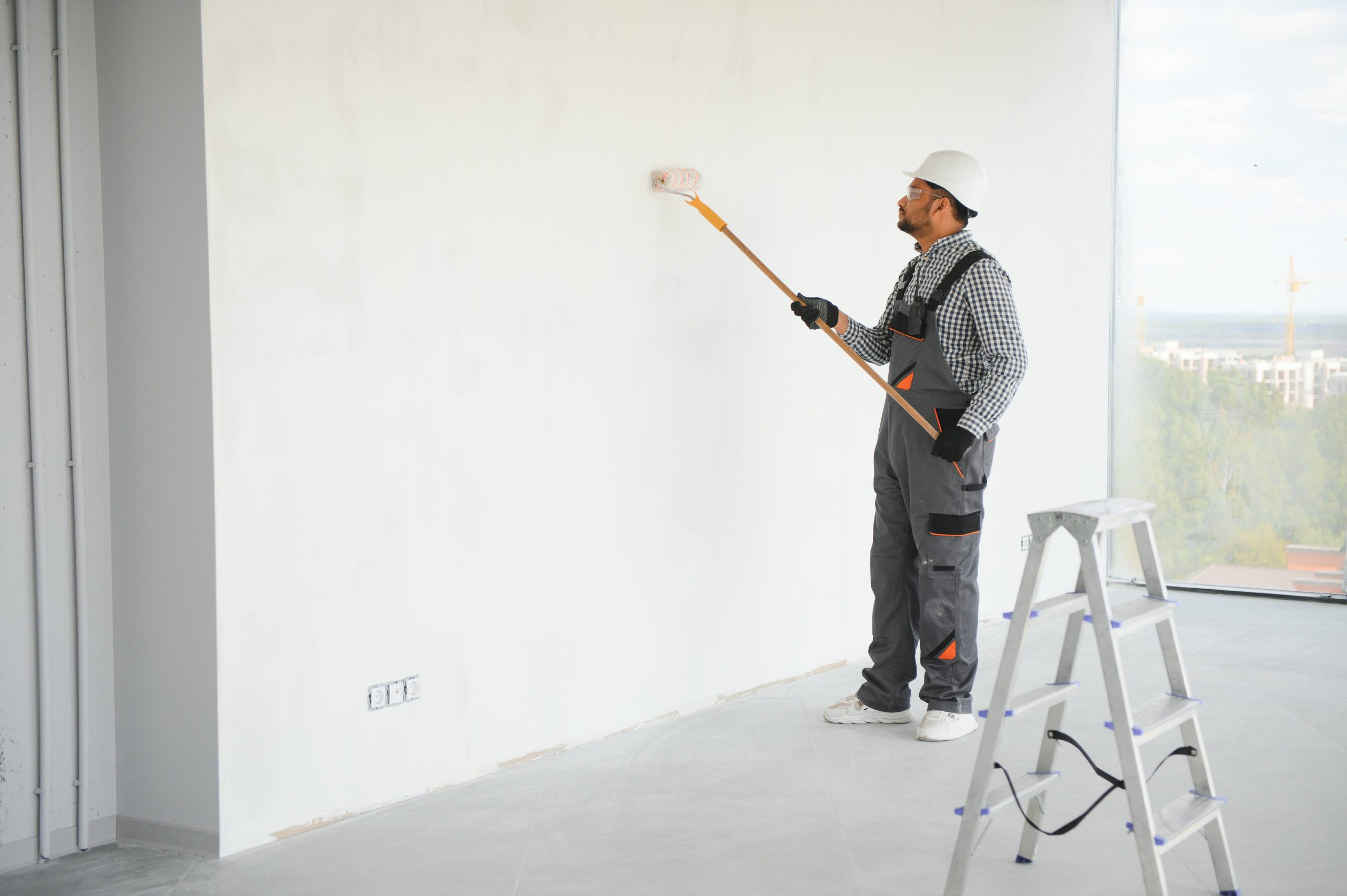 Stucco is a popular exterior finish in New Orleans, but it requires specific preparation and paint types.
The porous nature of stucco means it absorbs moisture readily, making primer application essential. Stucco also expands and contracts with temperature changes, so flexible paint formulations are necessary.
Our comprehensive guide on how to paint stucco exteriors covers preparation, product selection, and application techniques specific to this material.
Brick presents unique challenges for exterior painting. While brick is durable, painting it can trap moisture if the wrong products are used. Breathable paints and primers designed for masonry are essential. Some homeowners question whether brick should be painted at all. Our detailed guide on painting brick exteriors explores the pros, cons, and proper techniques for this popular surface.
Wood exterior surfaces are particularly vulnerable to moisture damage, peeling, and rot. Proper preparation, primer application, and paint selection are critical for wood longevity. Many homeowners encounter peeling paint on wood trim and need to understand the causes and solutions. Our guide on how to fix peeling paint on exterior wood trim provides step-by-step instructions for addressing this common problem.
Selecting the right exterior paint color involves balancing architectural style, neighborhood guidelines, and climate considerations.
Lighter colors reflect heat and resist fading better than darker shades in intense sunlight.
The French Quarter and surrounding historic districts often feature traditional color palettes. These palettes include warm, earthy tones that complement the local architecture.
When selecting colors, visit Big Easy Paintings’ paint color selection service for expert guidance tailored to your home’s style.
However, the climate should influence your final decision. Dark colors absorb significant heat, which can cause the paint to blister and the underlying wood to warp. Lighter colors reflect more solar radiation, keeping your home cooler and protecting the paint from UV damage.
Understanding how long exterior paint lasts and how to maintain it helps homeowners plan for future projects and protect their investment.
Exterior house paint in Louisiana typically lasts 5 to 7 years, depending on the quality of the paint and surface preparation. High humidity and intense UV exposure from the sun accelerate wear. Premium products and proper application extend this timeline significantly.
Our guide on how long a professional exterior paint job lasts explains the factors that influence paint longevity and how to maximize durability.
Maintain your exterior paint by gently washing the surface annually to remove dirt and prevent mildew growth. Inspect the home regularly for signs of peeling or cracking, and address small repairs immediately to protect the underlying structure. Preventive maintenance extends paint life and prevents costly repairs down the road.
New Orleans homeowners must consider hurricane preparedness when planning exterior painting projects. High winds, heavy rain, and salt spray from hurricanes can damage exterior paint and expose underlying surfaces to moisture infiltration.
Timing your exterior painting project before hurricane season ensures your home has maximum protection. Using high-quality, hurricane-resistant paints provides additional durability.
Our guide on hurricane season prep for exterior paint explains how to prepare your home’s exterior for severe weather and protect your paint investment.
The question of how often to repaint your home’s exterior depends on several factors including climate, paint quality, surface type, and maintenance. In New Orleans’ humid environment, repainting every 5 to 7 years is typical for quality paint jobs. However, some areas may need attention sooner if exposed to direct sun or salt spray.
Our detailed guide on how often to paint your home’s exterior helps you determine the right schedule for your specific situation.
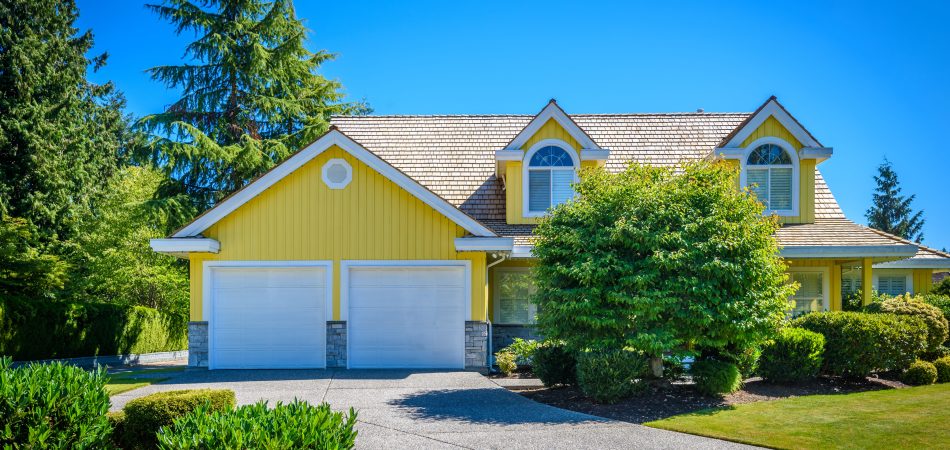
 A high-quality exterior paint job enhances curb appeal while providing essential protection against harsh weather conditions.
Proper preparation, the right materials, and expert application ensure your home remains beautiful and secure for years to come.
Understanding the unique challenges of New Orleans’ climate and applying proven techniques maximizes your investment.
Big Easy Paintings delivers exceptional results tailored to the unique demands of the local climate.
Call us today at 504-226-6252 or visit our contact page to request your free estimate.
High humidity slows paint drying and curing, leaving the surface vulnerable to moisture damage and mildew growth. Proper surface preparation and premium paint formulations designed for humid climates are essential for preventing peeling and blistering.
The ideal temperature is around 77°F, with an acceptable range between 45°F and 90°F. The overnight low must stay above 40°F to allow proper curing. Fall is the best season in Louisiana for exterior painting projects.
Pressure washing is recommended to remove dirt, grime, mildew, and loose paint. However, the pressure setting must be appropriate for your surface type to avoid damage. Learn when pressure washing is essential in our detailed guide.
Satin and semi-gloss finishes are superior to flat finishes in humid environments. These higher-sheen options resist moisture penetration and are easier to clean, making them ideal for New Orleans homes.
Quality exterior paint typically lasts 5 to 7 years in Louisiana’s humid climate. Premium paints and proper application extend this timeline. Regular maintenance helps maximize longevity.
Paint provides superior protection against moisture and UV damage in humid climates. Stain allows wood grain to show but requires more frequent reapplication. Paint is generally the better choice for Louisiana homes.
Yes, both stucco and brick can be painted with proper preparation and breathable paint formulations. However, painting brick can trap moisture if the wrong products are used. Consult a professional to determine if painting is appropriate for your surface.
Scrape away all loose paint, sand the surface smooth, apply primer to bare areas, and repaint with quality exterior paint. Addressing the underlying cause (moisture, poor preparation) prevents future peeling.
Ready to refresh your home? Get a free painting quote from Big Easy Paintings today.

 Big Easy Paintings