
First coat
Bond and coverage
The first coat is doing a different job from the second. It bonds to what is underneath and it tells us where the substrate is still drinking, which is information you only get once paint is actually on the wall.
What this covers
Most of a wallpaper job is the wall underneath it. Old paper comes off, whatever it was hiding gets made sound, and only then does anything new go up.
How the work is run
In an older house, paper has often been hiding plaster that has been quietly moving for a very long time. That is the step that turns a two-day job into a four-day one, and it is the step worth paying for.
Sometimes drywall, sometimes plaster on lath, occasionally a previous layer of paper that was papered straight over. Each comes off differently and one of them changes the price, so we look before we quote.
Dry-scraping paper off plaster gouges it, and the repair is then a bigger job than the removal was.
A wall that has been papered over for thirty years is very rarely ready to take paint on the day the paper finally comes off it.
Old houses here are rarely square, and the first drop decides where every seam in the room lands.
Why the quote says two
Painting a house here is a different job from painting one in a dry climate. Humidity changes how long a coat stays open, and it decides how much film you need on a wall before the weather starts taking it back.
First coat
The first coat is doing a different job from the second. It bonds to what is underneath and it tells us where the substrate is still drinking, which is information you only get once paint is actually on the wall.
Second coat
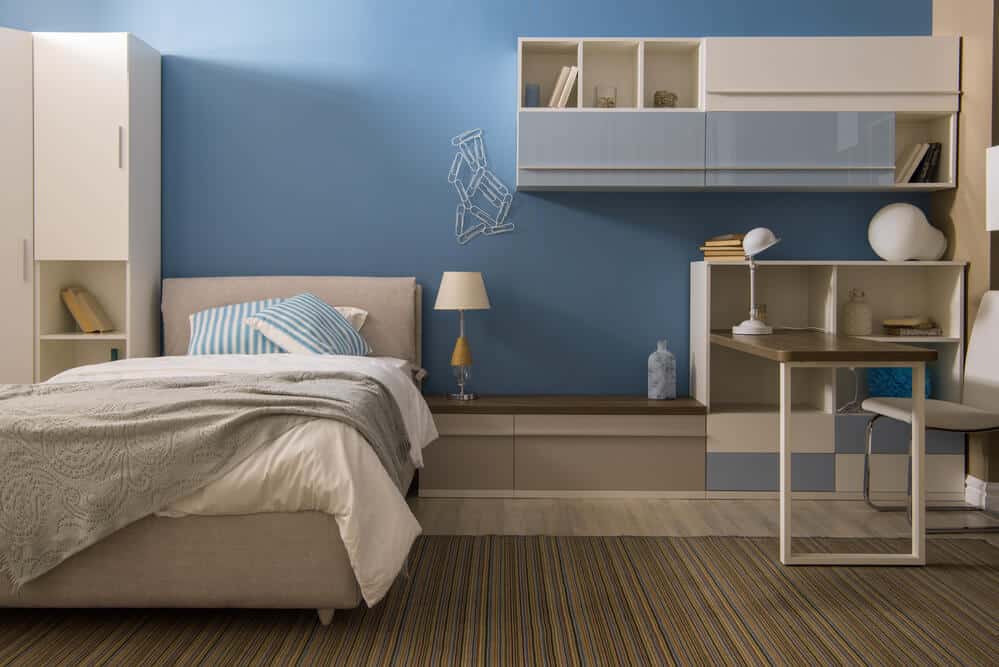
The second coat is where the color goes true and the film reaches the thickness printed on the tin. One coat over a sound wall looks fine from the driveway and looks thin on the north side by spring.