
Mid City
Small tree-lined lots, so a deck sits under mature street trees that keep it damp long after the street has dried and drop leaf litter on it most of the year. The growth needs treating instead of rinsing.
Home › Services › Deck and Fence Staining › Baton Rouge
A deck in Baton Rouge works harder than the house it is attached to.
The job here
A deck in Baton Rouge works harder than the house it is attached to. It is horizontal, so it holds standing water. It takes direct sun for the whole day. And under the mature street trees that make these neighborhoods what they are, it also collects leaf litter and the organic growth that follows.
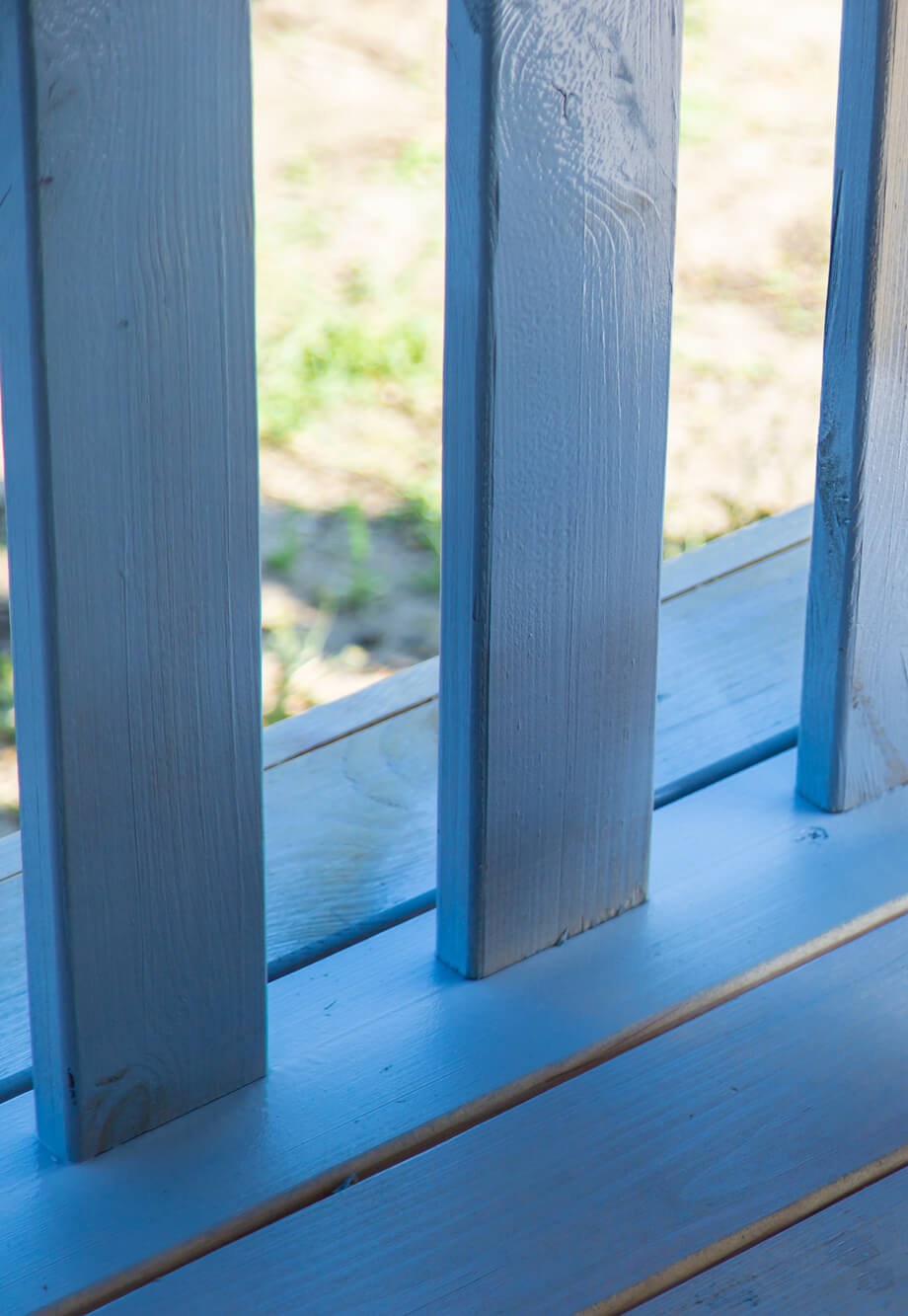
That combination sets the order of work. Growth gets treated, not rinsed, because rinsing removes what you can see and leaves what is in the timber, and it comes straight back through the new finish. Then the wood has to be genuinely dry before anything goes on it: stain over damp timber sits on the surface and lifts.
Older properties here often have older decking, and some of it is past the point where a finish is the answer. We look for soft boards and failing fixings first and say plainly if a section wants replacing, because staining a board that is going to fail is money spent twice.
On stain against paint, we generally argue for stain on decking. Stain penetrates the timber and wears away gradually, so a recoat in a few years is a wash and a fresh coat, whereas paint sits on top of the wood, looks sharper for longer, and when it finally does go it peels and has to be stripped back before anything else can happen. On a fence either can be right.
Fences get quoted separately from decks in any case. A fence is vertical and sheds water, so it does not come due on the same clock even when the two were finished on the same afternoon.
On the ground
Small tree-lined lots, so a deck sits under mature street trees that keep it damp long after the street has dried and drop leaf litter on it most of the year. The growth needs treating instead of rinsing.
Established lots with detail-heavy fencing and rails, where the finish is part of how the property reads from the street. Fences are vertical and shed water, so they do not come due on the same clock as the deck.
Why the quote says two
Painting a house here is a different job from painting one in a dry climate. Humidity changes how long a coat stays open, and it decides how much film you need on a wall before the weather starts taking it back.
First coat
The first coat is doing a different job from the second. It bonds to what is underneath and it tells us where the substrate is still drinking, which is information you only get once paint is actually on the wall.
Second coat
The second coat is where the color goes true and the film reaches the thickness printed on the tin. One coat over a sound wall looks fine from the driveway and looks thin on the north side by spring.