
Downtown Hammond
The restored historic core, with older commercial facades, detailed trim and a great deal of brush work. Taller elevations mean access equipment, not ladders.
Home › Services › Exterior Painting › Hammond
Hammond grew up around the crossing of two rail lines, and its downtown is a walkable grid of restored buildings with the 1920s Columbia Theatre at the middle of it.
The job here
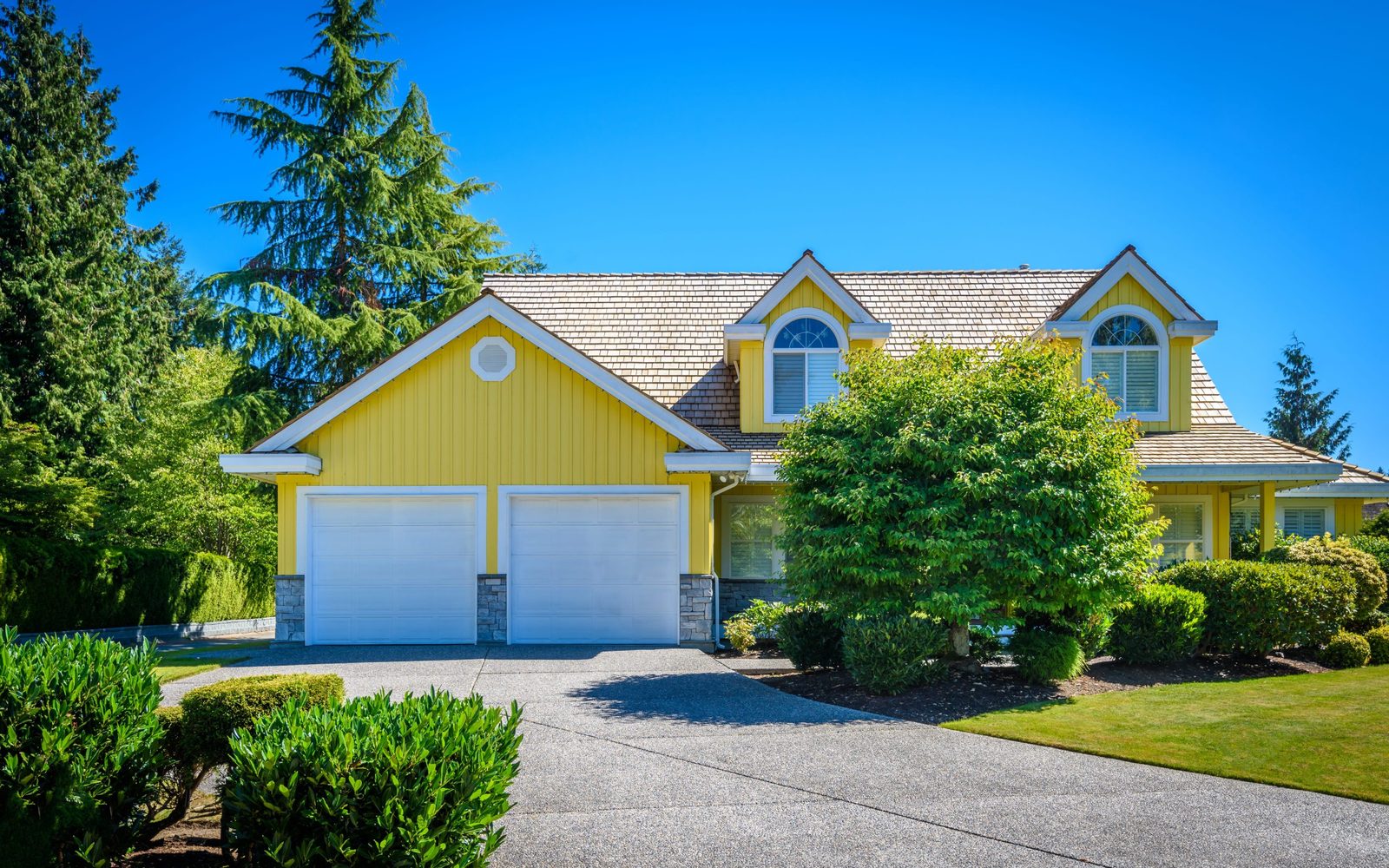
Hammond grew up around the crossing of two rail lines, and its downtown is a walkable grid of restored buildings with the 1920s Columbia Theatre at the middle of it. An exterior here is either that older, taller, hand-worked stock or it is a subdivision house on the edge of town, and the two do not price the same way.
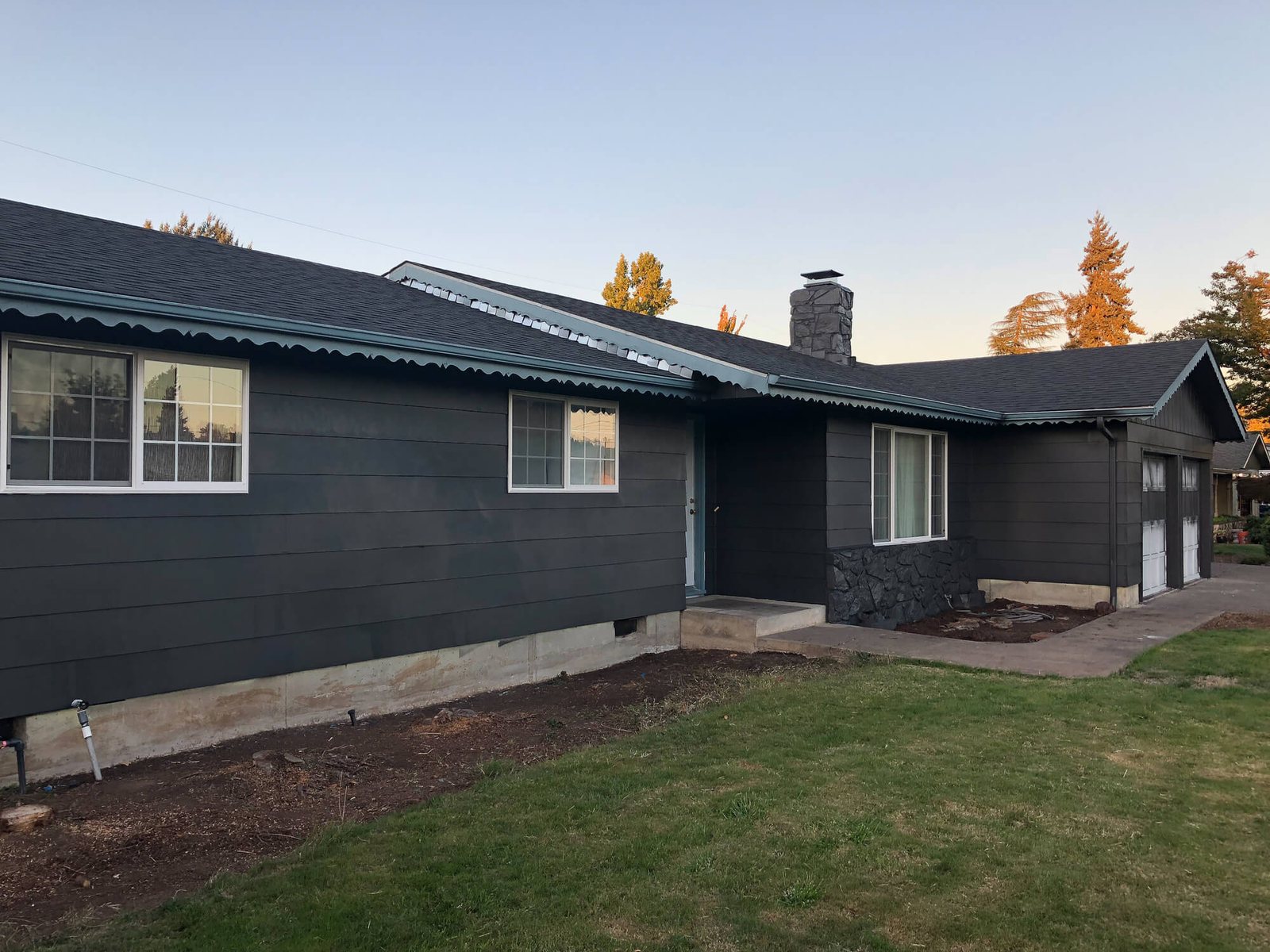
The local factor that catches people out is pine. This area was settled for its timber and it behaves like it: pollen and resin land on exteriors right the way through spring, and all of that comes off before a coating goes on. Painting over spring pollen is a reliable way to pay for the same wall twice inside three years.
Hammond sits well north of the lake, so it misses the lakefront moisture that shortens mornings in Kenner and Mandeville. It does not miss the humidity. Summer dew points still set the start time and the surface still has to clear the 5 degree margin.
Downtown work is its own shape. Taller elevations mean access equipment, not ladders, older substrates want scraping back to sound material, and the trim has to be cut in by hand.
On intervals, stucco and aluminum siding are due every 5 to 6 years and painted brick every 15 to 20, so a house carrying more than one substrate rarely needs all of it at once.
On the ground
The restored historic core, with older commercial facades, detailed trim and a great deal of brush work. Taller elevations mean access equipment, not ladders.
Established residential streets with mature trees and the shade that comes with them, plus the spring pine pollen this area is known for, which comes off properly before any coating goes on.
Why the quote says two
Painting a house here is a different job from painting one in a dry climate. Humidity changes how long a coat stays open, and it decides how much film you need on a wall before the weather starts taking it back.
First coat
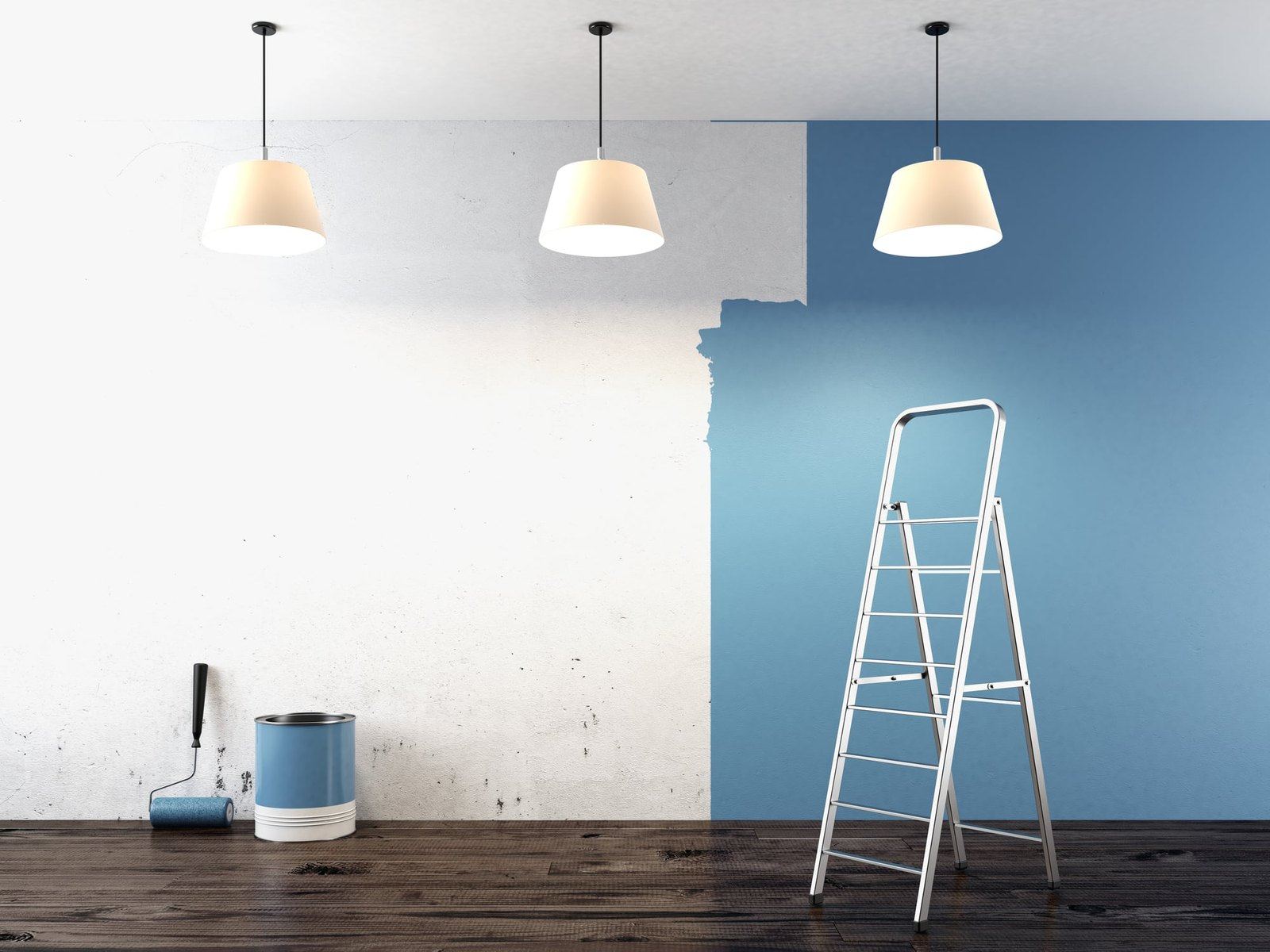
The first coat is doing a different job from the second. It bonds to what is underneath and it tells us where the substrate is still drinking, which is information you only get once paint is actually on the wall.
Second coat
The second coat is where the color goes true and the film reaches the thickness printed on the tin. One coat over a sound wall looks fine from the driveway and looks thin on the north side by spring.