Fontainebleau
Oaks over a deck all year mean organic film settling constantly and a surface that never dries out long enough to shed it. Treating that growth works. Rinsing it does not, and it returns through the new finish within the season.
Home › Services › Deck and Fence Staining › Mandeville
Under Mandeville canopy a deck is the hardest surface on the property to keep right.
The job here
Under Mandeville canopy a deck is the hardest surface on the property to keep right. It is horizontal, so it holds water. It is shaded, so it dries slowly. And it collects the organic film that comes off the oaks all year round.
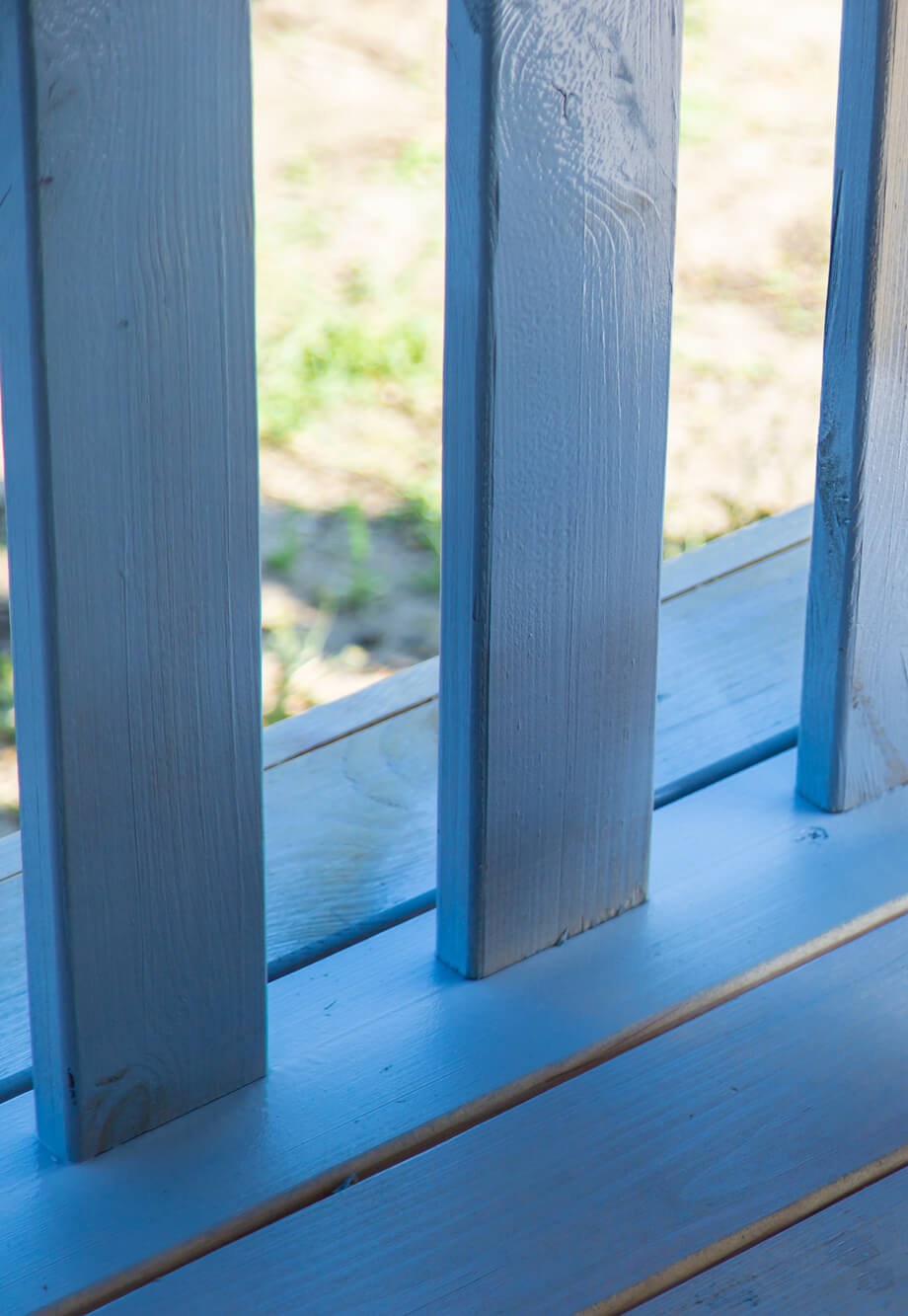
That combination means the growth has to be treated, not rinsed before anything is applied, and the timber has to be genuinely dry when the stain goes on. Stain over damp wood sits on the surface and lifts, which on a horizontal board shows up fast and looks worse than doing nothing would have.
It also means a Mandeville deck comes due sooner than a deck on an open lot in the same parish. Shade is the reason people want the deck and it is also the reason the finish works harder, which is not a contradiction so much as a maintenance schedule.
We generally argue for stain, not paint here for the same reason we do everywhere: stain penetrates and wears away gradually so recoating is straightforward, while paint sits on top and peels when it goes, at which point it has to be stripped before anything else can happen. Under canopy, where the finish works harder, that difference matters more than it does on an open lot.
Fences are quoted separately from decks. A fence is vertical and sheds water, so it does not come due on the same clock even when the two were finished on the same afternoon by the same crew with the same product, and pricing them as one line hides that from you until the deck needs doing again and the fence does not. Separate lines. Separate clocks.
On the ground
Oaks over a deck all year mean organic film settling constantly and a surface that never dries out long enough to shed it. Treating that growth works. Rinsing it does not, and it returns through the new finish within the season.
Deep porches and exposed rafter tails put a lot of horizontal and semi-sheltered timber on one property, and those do not weather at the same rate as the deck boards out in the open beyond them.
Why the quote says two
Painting a house here is a different job from painting one in a dry climate. Humidity changes how long a coat stays open, and it decides how much film you need on a wall before the weather starts taking it back.
First coat
The first coat is doing a different job from the second. It bonds to what is underneath and it tells us where the substrate is still drinking, which is information you only get once paint is actually on the wall.

Second coat
The second coat is where the color goes true and the film reaches the thickness printed on the tin. One coat over a sound wall looks fine from the driveway and looks thin on the north side by spring.