First coat
Bond and coverage
The first coat is doing a different job from the second. It bonds to what is underneath and it tells us where the substrate is still drinking, which is information you only get once paint is actually on the wall.
What this covers
A fresh coat lifts the look of a house and protects it from weather damage, insects and rotting wood. On the Gulf coast the protection is the part that pays for itself.
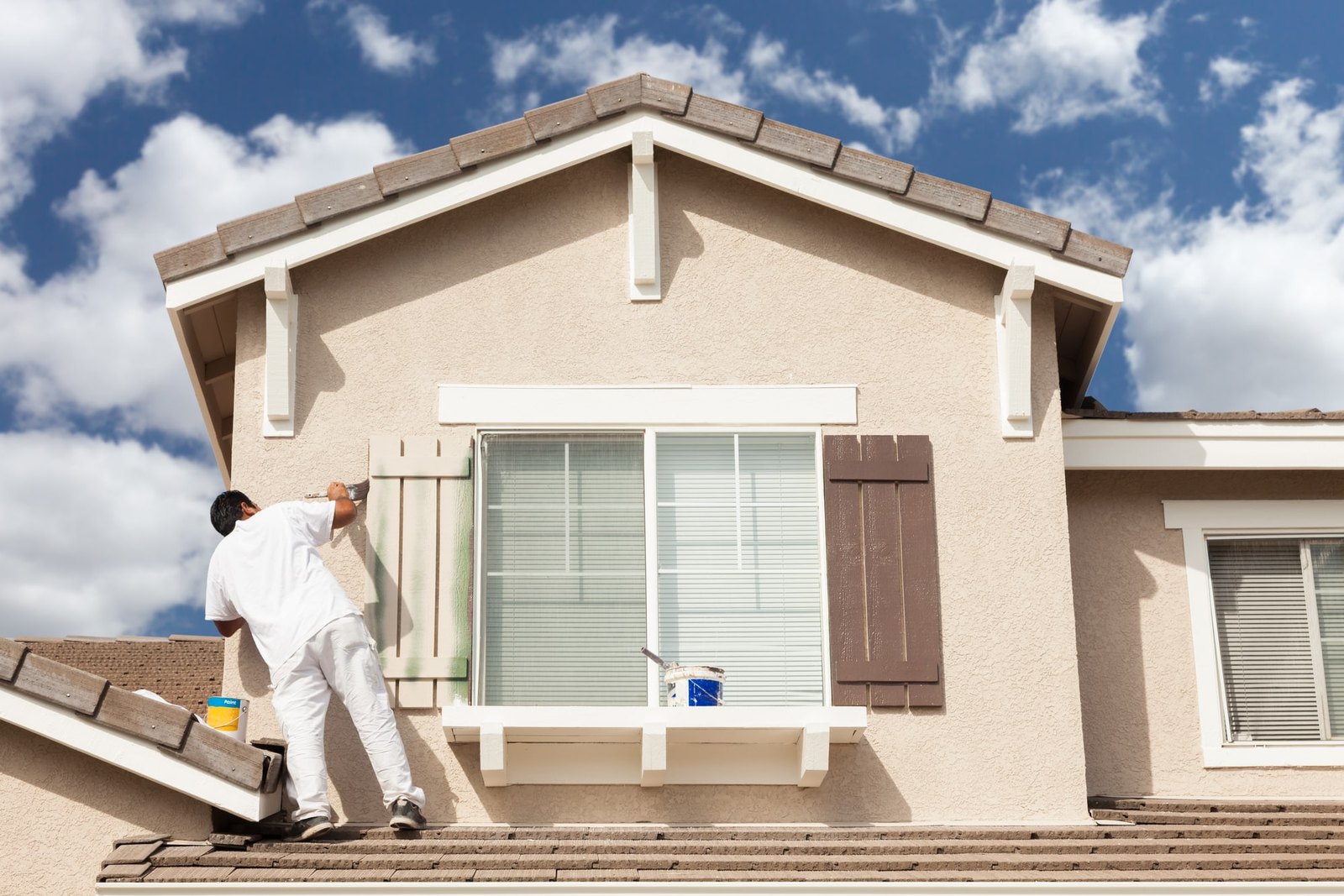
What is in the job
The order is the job. A finish is only ever as good as the surface underneath it, which is why most of an exterior week is not painting.
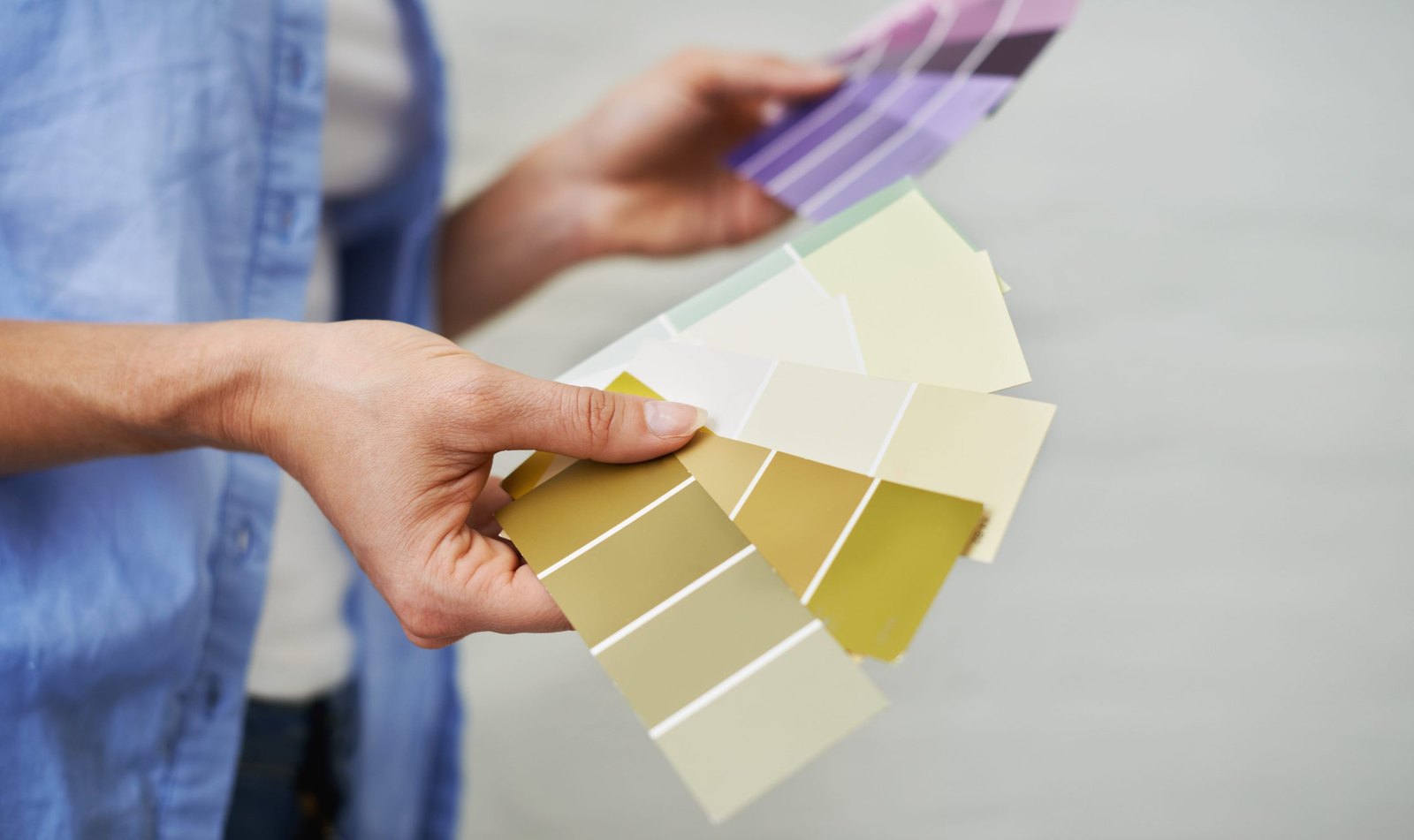
We walk the elevations with you and pick a scheme against the architecture, the light it gets and what the neighbors already run. Samples go on the actual wall, not on a chip held up to it.
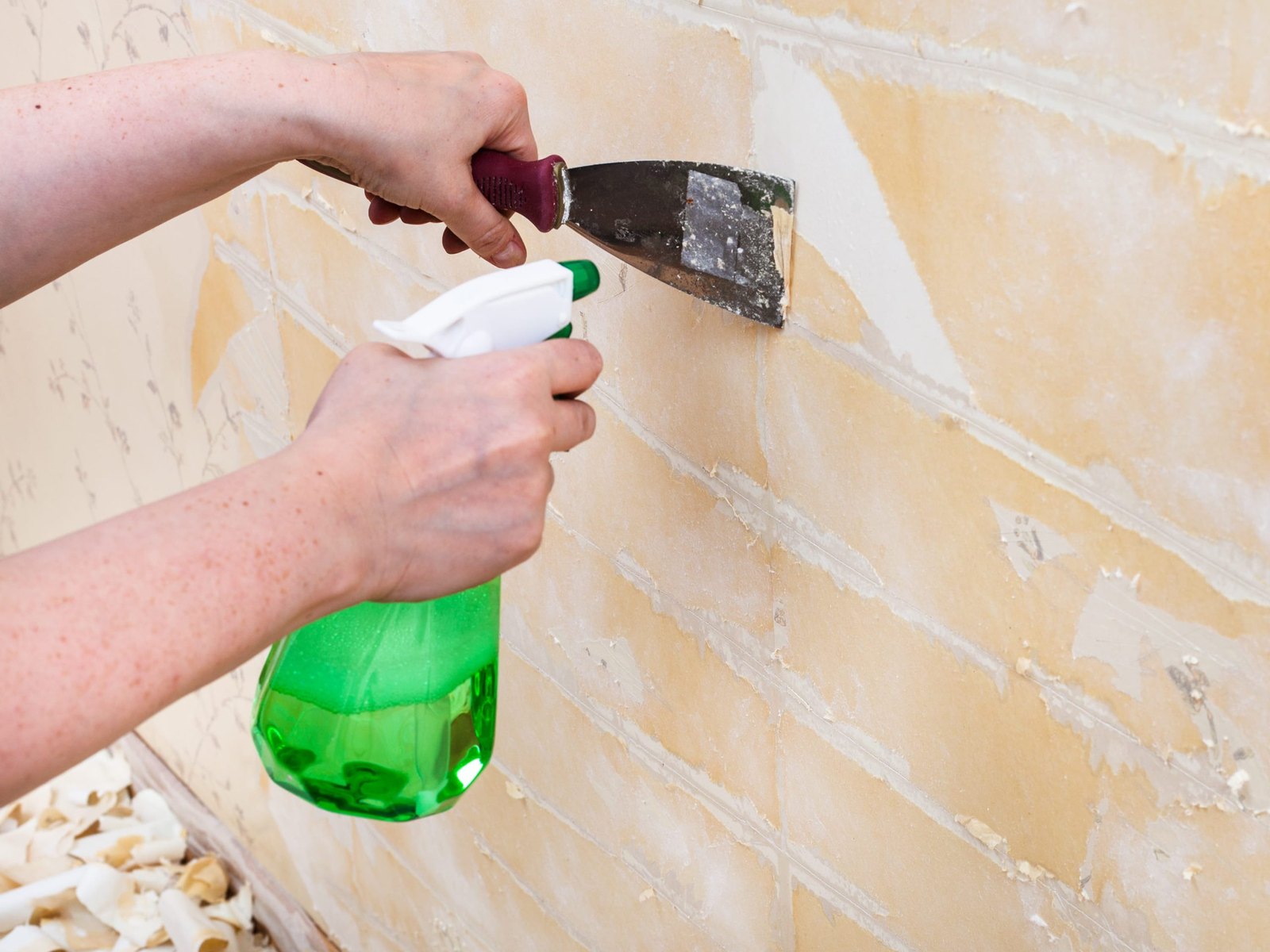
Washing, scraping, sanding, filling and priming. This is where the week goes, and it is the part that decides whether the coat is still sound in five years.
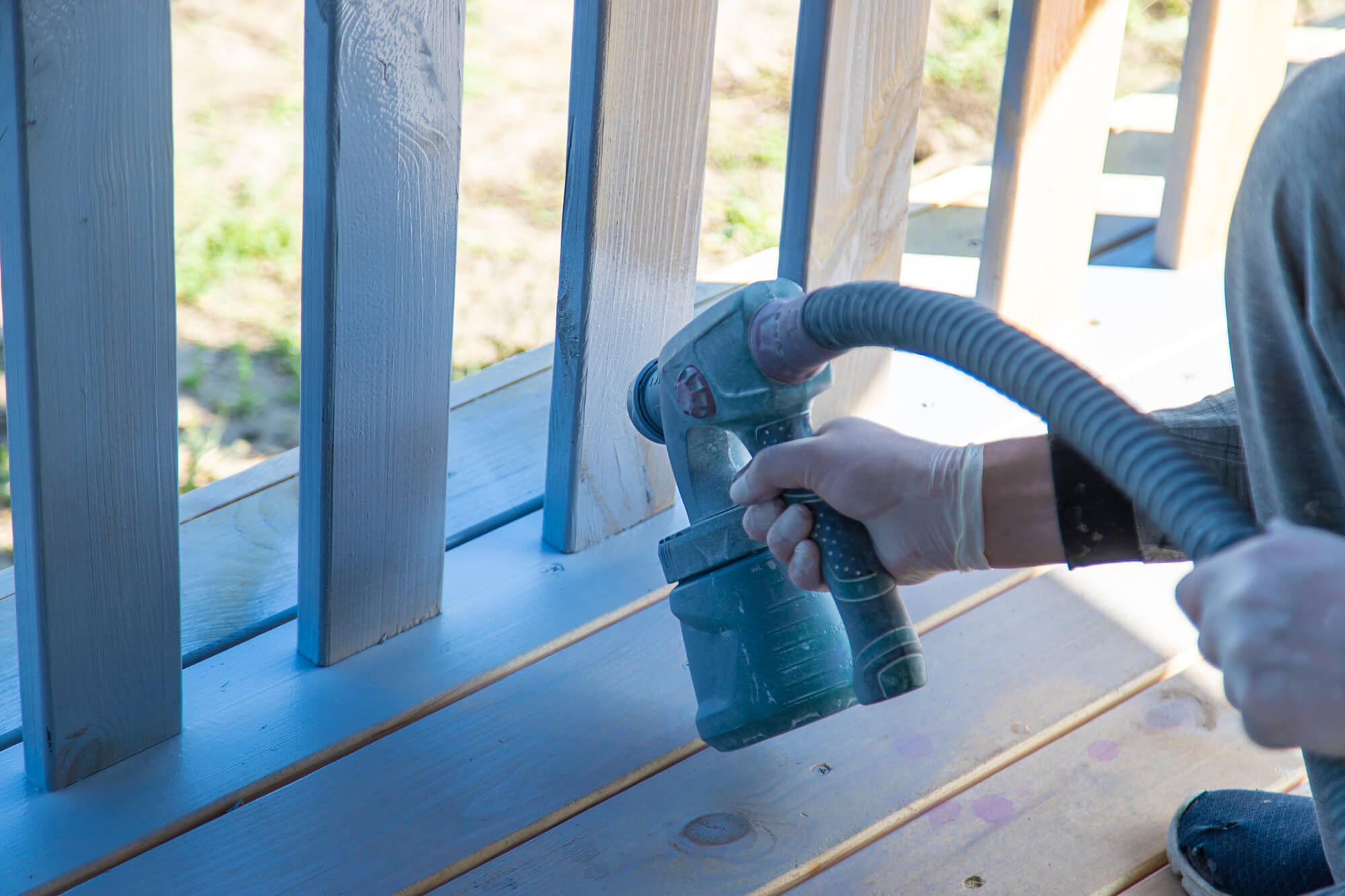
Brush and roller where control matters, spray where coverage and speed do. Which one gets used is decided by the surface, not by the schedule.
Wood that should stay wood gets a stain or a varnish instead of paint, picked for boards that sit in full sun and heavy rain.
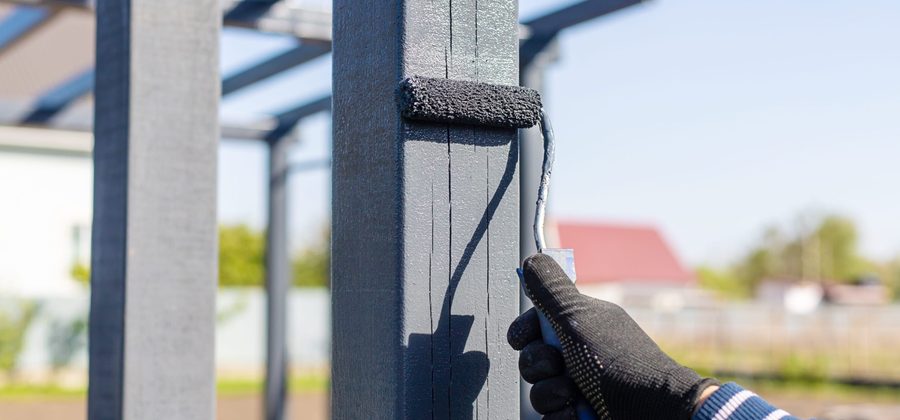
Fascias, soffits, casings, shutters and rails, cut in by hand. Trim is the part people stand close to.
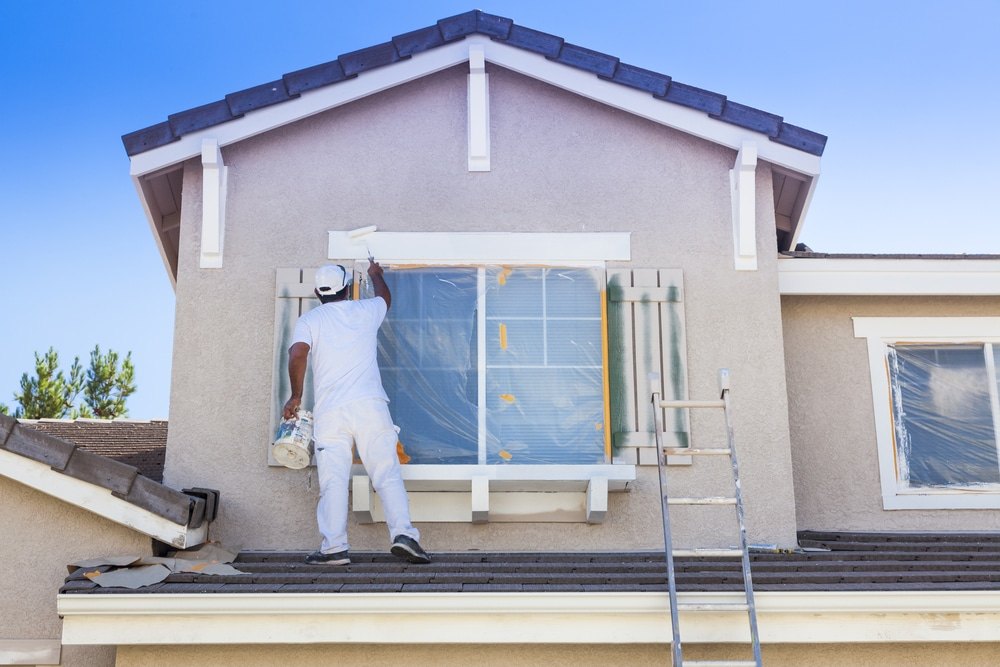
Why the quote says two
Painting a house here is a different job from painting one in a dry climate. Humidity changes how long a coat stays open, and it decides how much film you need on a wall before the weather starts taking it back.
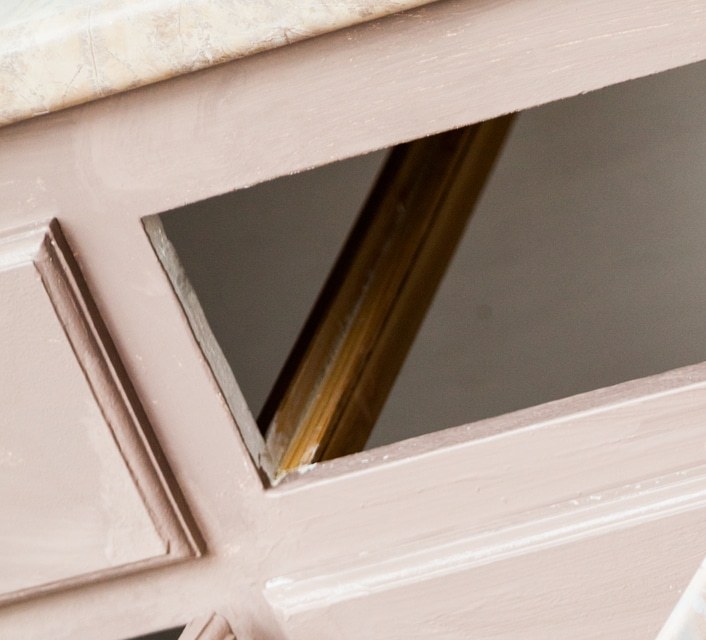
First coat
The first coat is doing a different job from the second. It bonds to what is underneath and it tells us where the substrate is still drinking, which is information you only get once paint is actually on the wall.
Second coat
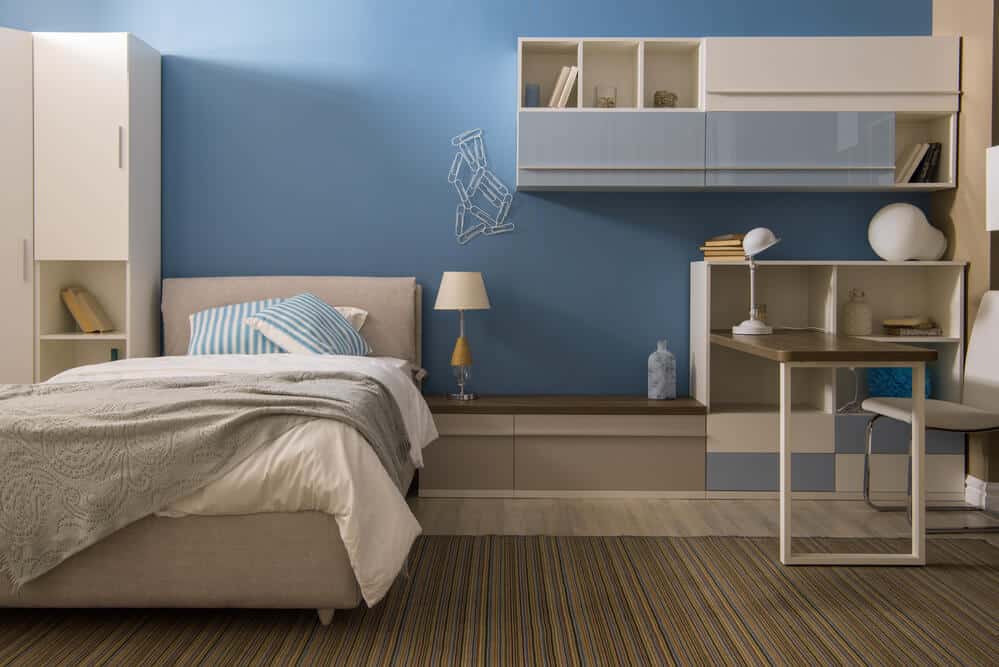
The second coat is where the color goes true and the film reaches the thickness printed on the tin. One coat over a sound wall looks fine from the driveway and looks thin on the north side by spring.
Why it matters here
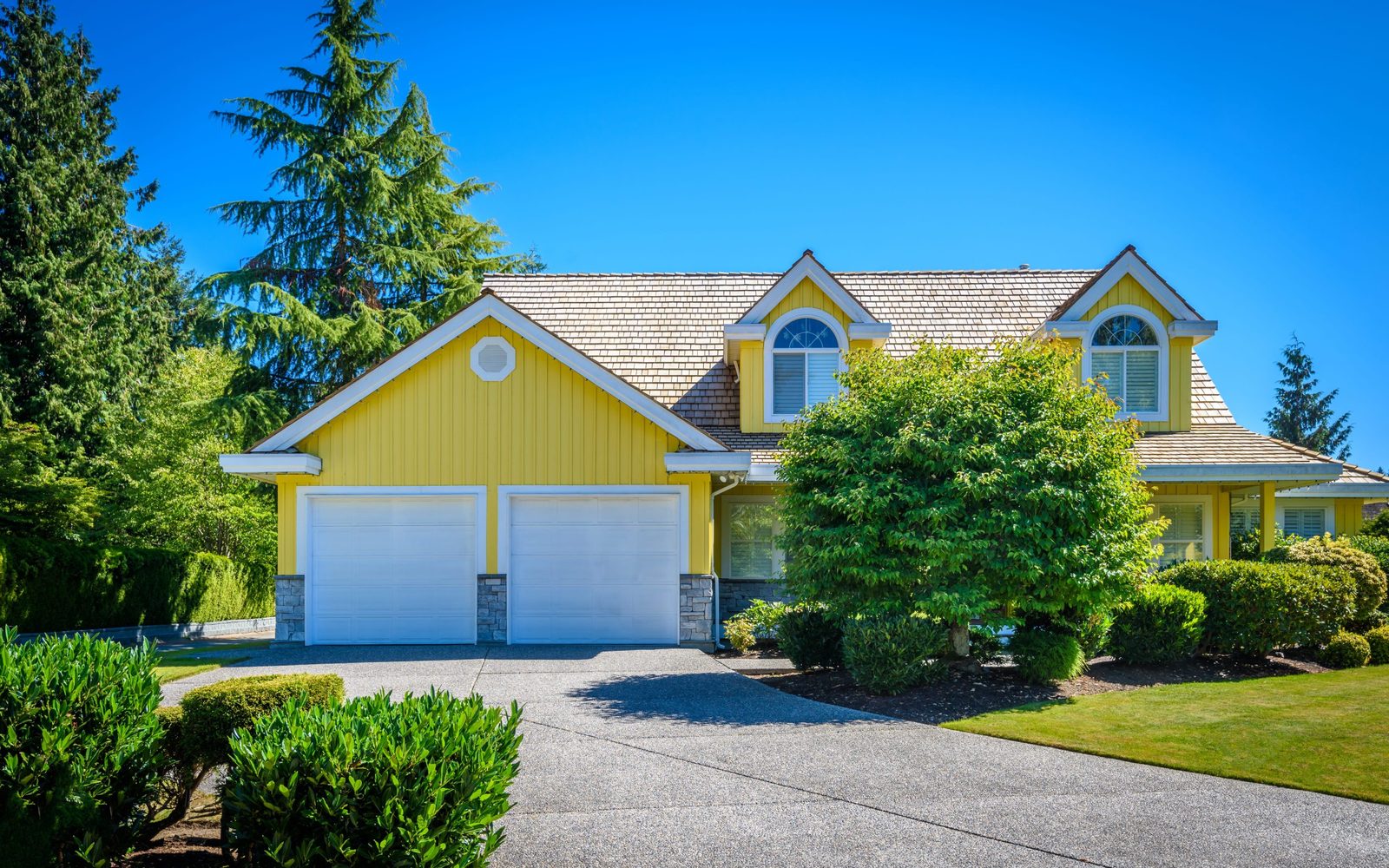
The first thing anyone sees, and the reason most people call.
A sound film is a barrier against weather, insects and rot. On the Gulf coast this is the half of the job that pays for itself.
A well-kept exterior is the cheapest thing you can do to a house before it goes on the market.
How a job runs
The same three whether the job is one room or a whole elevation.
Book your free consultation by phone or through the form. Ask for references at any time.
You get a project schedule and an accurate quote, whatever the size of the job.
Your painter starts, keeps you updated, and tidies up when the job is done.
2,500
Jobs finished
12
Cities covered
2
Coats quoted as standard
$0
Cost of an estimate


The short answer
Usually, and in two ways. The first is what a buyer sees. The outside of a house is the first thing anyone judges, from the listing photo to the drive past, and faded or peeling paint reads as deferred maintenance before anyone has stepped through the door.
The second is what an inspector finds. Paint on siding and trim is the barrier between the wood and the weather, and in south Louisiana humidity a failed film lets water into the boards behind it. Soft trim and rot, and the insects that follow the moisture, then show up on the inspection report and come off the offer.
A repaint does not add a fixed amount to an appraisal. That depends on the house, the street and the market, and nobody can promise you a number. What it does is protect the value already there and take away an easy reason to negotiate. If you are painting to sell, sound preparation and a color that suits the street matter more than a bold scheme.
Read next: What an exterior repaint costs, and what drives the price
Questions we get asked
These are the ones asked about exterior painting specifically. If yours is not here, ask it on the call. The longer version is in our complete guide to exterior house painting in New Orleans.
Not answered here?
Ask it on the estimate call. No charge, no obligation.
Mon to Fri, 8:00 AM to 6:00 PM. Sat and Sun closed.
It varies by material and exposure. Stucco every 5 to 6 years. Painted brick 15 to 20 years. Aluminum siding every 5 to 6 years. A wall that takes afternoon sun will always come due first, so inspect for fading, chalking and peeling instead of counting years.
Usually yes, and it still depends on what is underneath. We check whether the old film is sound and adhering, then clean, sand and prime what needs it. Where the old coat is failing, painting over it just moves the problem up one layer. The full sequence is set out in how to prep your home for exterior painting.
You can. What people underestimate is the preparation and the access: two full stories, ladders, and the parts of a wall you cannot see from the ground. An uneven film looks fine from the driveway and fails first on the elevation nobody checks. We set the two side by side in DIY versus a pro on an exterior repaint.
Look at the architecture, what is either side of you, and which way the wall faces. We bring samples and put them on the wall itself, because a color behaves differently on a north elevation from how it behaves on a chip indoors.
We use low VOC and eco friendly paints as standard. They are safer around family and pets and they hold color as long as the alternatives.
Wash it down gently with a mild detergent once a year, keep harsh chemicals off it, and touch up chips before water gets behind the film. Have a look after storm season, which is when damage tends to show up.
Where we do it
The New Orleans metro, across the lake on the north shore, and up the river as far as Baton Rouge. Which ground you are on changes the schedule more than the size of the job.
Shade keeps moisture on a wall long after the sun has moved off it. Under a heavy oak canopy the recoat window stretches out, and the shaded elevation is the one that sets the schedule for the whole house.
A canal, a levee or a lakefront behind the house holds humidity at ground level. Two ends of one street can be ready to coat at different hours, so the order of the day matters more than the size of the crew.
Old siding, old millwork and old paint mean most of the day goes into preparation. On an older frontage the finish is only ever as good as what was scraped, filled and primed underneath it.
Either way
Whether you have a small interior project or a large-scale exterior makeover in mind, Big Easy Paintings is your partner for the work. Talk to us about the project, get a quote, and we will tell you plainly what it takes.
Free estimate
On site or remote, in all twelve towns. No charge and no obligation. If it is quicker to talk, call 504-226-6252 and we will pick up.
Or call 504-226-6252
No range, no surprise second visit to finish what one coat could not.